
In the fast-expanding peptide therapeutics and research landscape
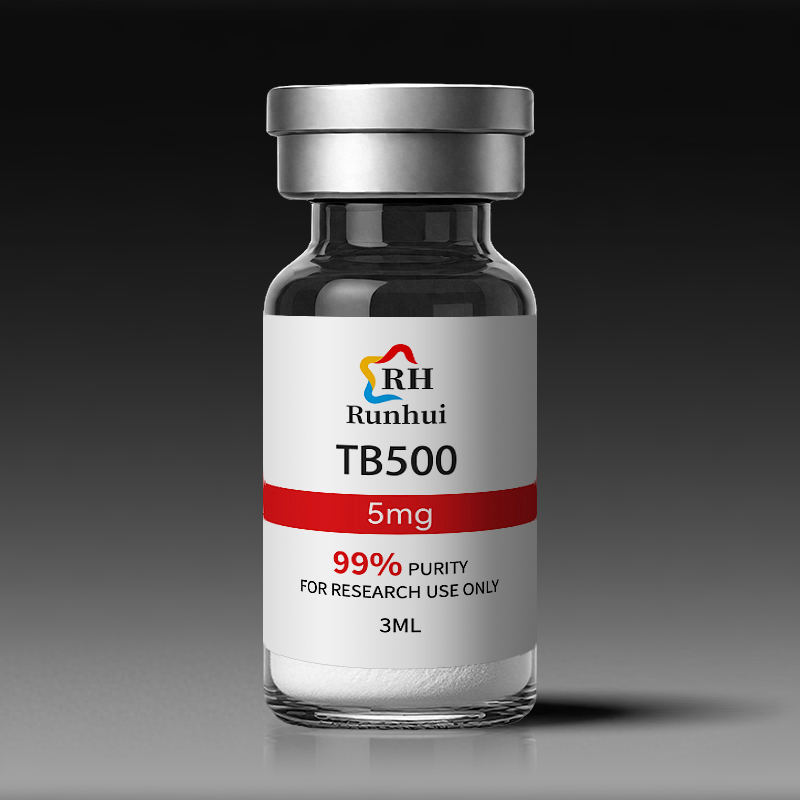
In the fast-expanding peptide therapeutics and research landscape—where the CDMO market is projected to reach $8.1 billion by 2035 —a critical question emerges: What Defines a Forward-Thinking Peptide Factory in 2026? The answer lies in merging technical innovation, sustainability, and scalable expertise to meet the evolving needs of biotech, pharmaceuticals, and research.
A standout peptide factory prioritizes next-gen synthesis technologies that redefine efficiency. Leading facilities have shifted beyond traditional batch processes to adopt continuous flow synthesis, cutting processing time by over 60% while boosting consistency 。Automation takes center stage too: computer-guided synthesizers and high-throughput systems can produce hundreds of peptide sequences in parallel, slashing turnaround times from weeks to days 。For complex projects like peptide vaccines, microwave-assisted synthesis further accelerates production, enabling candidates to move from concept to clinical testing in just 12–16 weeks 。
Sustainability has become a non-negotiable hallmark of progressive peptide factories. With traditional synthesis generating significant solvent waste, top facilities now integrate green chemistry practices—such as solvent recycling, bio-based reagents, and enzyme-catalyzed reactions—that reduce chemical waste by up to 70% 。Innovations like enzyme-enabled macrocyclization not only improve peptide durability but also align with eco-friendly manufacturing goals ,appealing to clients focused on both efficacy and environmental responsibility.
Seamless scalability from lab to industrial scale sets exceptional factories apart. The journey from milligram research batches to metric-ton commercial production demands expertise in process optimization 。Leading factories use AI-driven process modeling and real-time analytics to maintain 99%+ purity across scales, addressing challenges like altered reaction kinetics and purification complexity 。This flexibility is critical for supporting clients from early drug discovery through commercial launch, as seen in CDMO partnerships that accelerate time-to-market.
Quality and compliance remain foundational. Forward-thinking factories embed rigorous checks throughout production: crude peptide analysis to eliminate errors, endotoxin testing for injectable-grade standards, and digital validation tools aligned with global regulatory frameworks 。These measures ensure peptides meet GMP standards, whether for life-saving vaccines, GLP-1 therapeutics, or personalized cancer research tools 。
Finally, client-centric service turns a factory into a strategic partner. Top facilities offer end-to-end support—from sequence design to formulation advice—and adapt to niche needs, such as producing thioether macrocycles for long-acting drugs 。They also provide transparent documentation and technical troubleshooting, mirroring the success of in-house production models that enhance control and reduce delays 。
In 2026, the best peptide factories are more than manufacturers—they’re innovation enablers. By combining advanced synthesis, sustainability, scalability, and collaboration, they drive progress in peptide science while meeting the demands of a growing market. For researchers and biopharma firms alike, this means turning ambitious ideas into tangible, high-quality peptide solutions.
Previous page:Already the first
Next page:Already the last
Runhui Peptide

Thank you very much for writing to us. Please leave your message and contact information, we will reply to you within 24 hours.